Premised on Care

Studies on Reparative Description, Digitization, and
Harm Reduction in American Archives.

This IMLS-funded project seeks to identify existing—and make recommendations for future—professional practices for culturally responsive decision-making about archival reparative description. Asking questions such as when and why reparative description practices are engaged, what role improved access as a result of digitization plays in motivations for reparative description, when and how mass digitization results in harmful description at scale, and how aggregation amplifies and legitimizes problematic description, this research in service to practice project will address growing concerns that have arisen at the intersection of description and digitization, identify developing reparative description practices that model archival harm reduction, and make recommendations for culturally responsive reparative descriptionFF in U.S. archives.

Click here for a plain-text version of this website.

About Us

Premised on Care is a UCLA Research Study conducted by Professor Tonia Sutherland, graduate student researchers, and an advisory board of working archivists, scholars, and community thinkers on reparative work in archives.

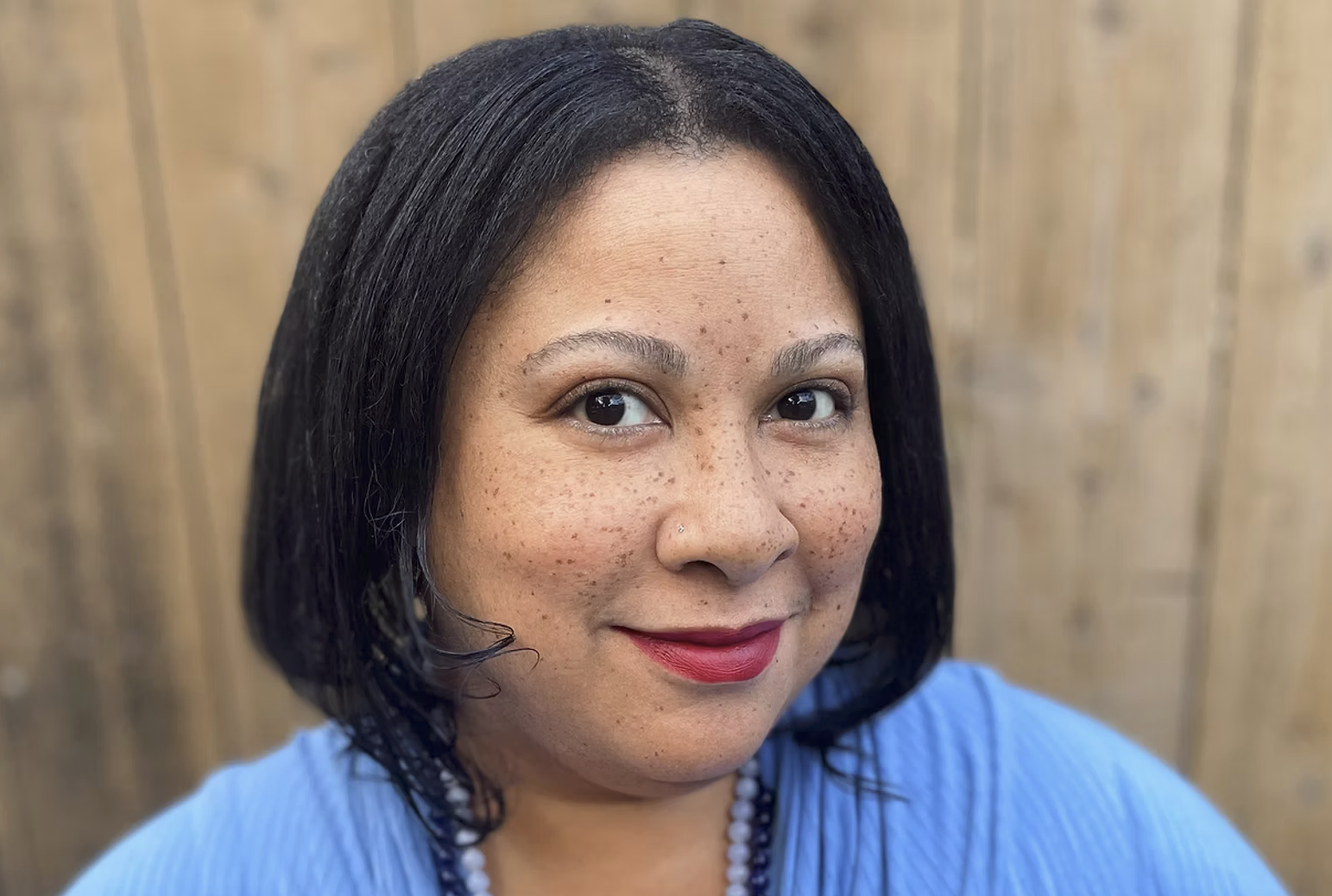
Headshot of Dr. Tonia Sutherland

Dr. Tonia Sutherland

Principal Investigator

Tonia Sutherland (she/her/hers) is Associate Professor and Associate Dean for Faculty Development in the School of Education and Information Studies at the University of California, Los Angeles. Global in scope, Suther­land’s research focuses on entanglements of technology and culture, with particular emphases on critical and liberatory work within the fields of archival studies, digital studies, and science and technology studies.

Sydney Triola

Graduate Student Researcher

Sydney Triola (she/her/hers) is a Ph.D. student in UCLA's Information Studies department. Sydney assumes an abolitionist lens when examining the description and classification practices of political records, both formally and informally recognized. Sydney is also interested in the ways in which identity is commodified in public memory.

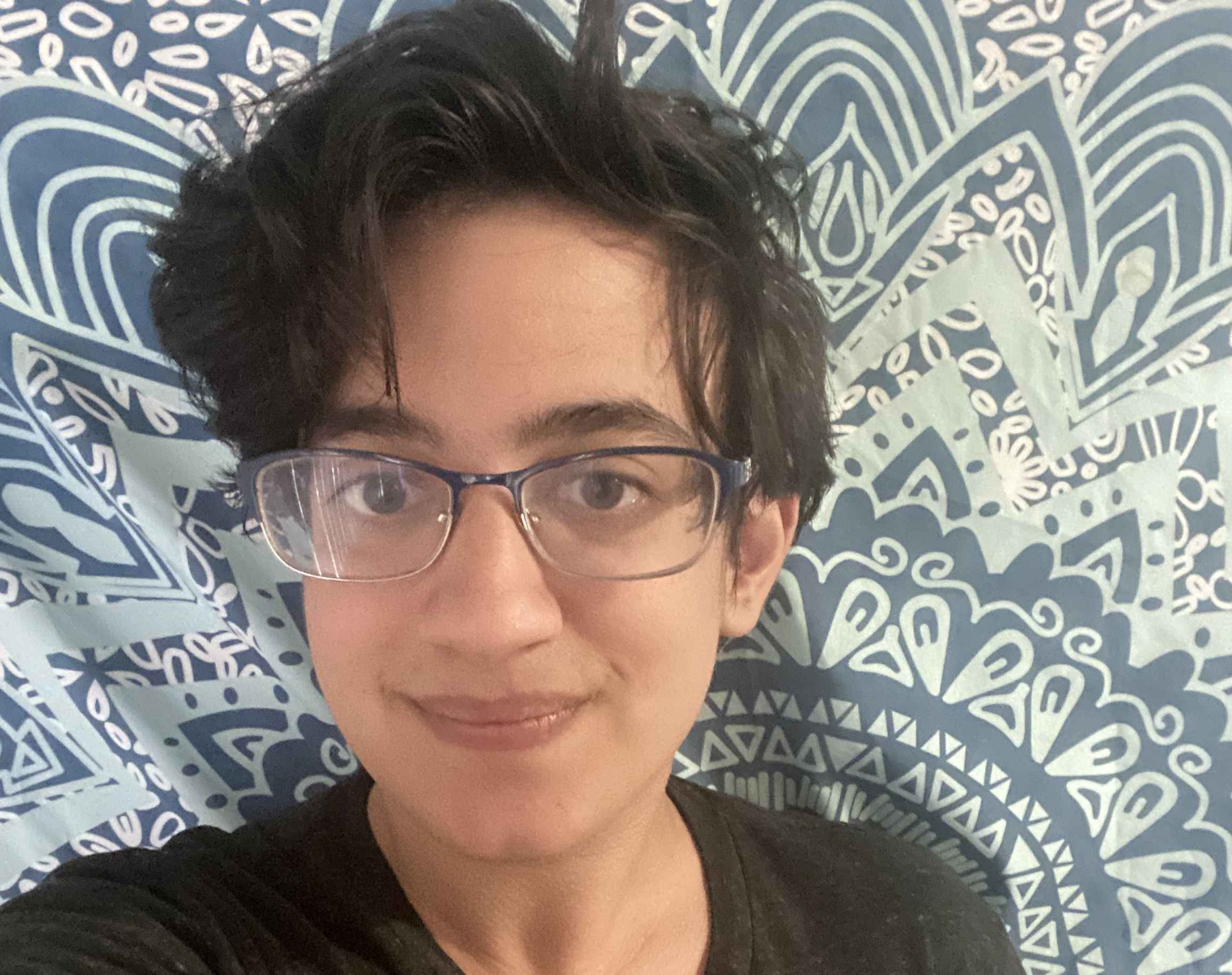
Headshot of Ezra Loeb

Ezra Loeb

Graduate Student Researcher

Ezra Loeb (they/them/theirs) is an early-career archivist and MLIS student in the School of Education and Information studies at the University of California, Los Angeles. Their professional commitments are to community-engaged, culturally responsive, and liberatory memory work.

We invite you to contact us by email or on Instagram if you...

  • Have questions about our project
  • Have recommendations for reparative description resources to include on our website
  • Would like to participate in our Phase I interviews
  • Are also working on projects related to reparative description, restorative justice, and archival harm reduction

Phase I: Interviews

We conduct virtual semi-structured qualitative interviews with archival professionals at institutions who have identified reparative description as an organizational priority; who hold specific reparative description expertise; or who have been involved with a public encounter or concern that resulted in descriptive remediation.

These interviews will collect data about:

  • Existing reparative description practices
  • Digitization workflows
  • Events prompting reparative description
  • Descriptive standards and tools
  • Impact of automation on description
  • Reparative description as restorative justice

If you are an archival professional working on these areas, we would love to hear from you!

Please send us an email at premisedoncare @ gmail . com (remove spaces) to learn more.

Phase II: Survey

This survey invites participation from people who use archives, including, but not limited to:

  • Scholars
  • Students
  • Genealogists
  • Local Historians
  • Land Rights Advocates
  • Other Researchers

If this describes you, we want to know about your experience!

We want to understand more about how you currently see yourself or your communities represented in archives and what, if anything, you'd like to change about how archives (and archivists) represent you and the communities to which you belong. We would very much appreciate it if you would be willing to share this survey with your communities and/or participate in the survey yourselves.

Click here to take our survey!

The survey consists of 25 questions and will take approximately 15-20 minutes to complete. Most of the questions are multiple choice, but some will ask you to write a short response. With the exception of the questions in Part I, you may skip any question you do not feel comfortable answering or do not wish to answer. At the end you will be asked a few questions about whether you’d like to participate further and if it’s ok for us to contact you again. Please note: some survey participants will also be invited to participate in listening sessions.

Resources

As we discover existing toolkits and develop new ones to support reparative description and culturally responsive descriptive practices, they will be shared here. Please revisit our site at a later time for more!